Harnessing Hydrangea Beauty: A Care Guide
Posted on 28/05/2025
Harnessing Hydrangea Beauty: A Comprehensive Care Guide
Hydrangeas are the crown jewels of gardens, renowned for their lush blooms and vibrant hues. This beloved shrub graces landscapes from cottage gardens to urban courtyards, captivating hearts with its ever-changing blossoms. But achieving flourishing hydrangeas requires understanding their unique needs. This hydrangea care guide will walk you through every aspect--planting, soil, light, water, pruning, pests, and even creative uses--ensuring your hydrangea beauty shines for years to come.
Why Choose Hydrangeas for Your Garden?
Hydrangeas are popular for their versatility and stunning aesthetic effect. Here are a few reasons to make hydrangeas the star of your landscape:
- Shown-stopping flowers: Blossoms range from snowy white to electric blue, gentle pink, and dramatic purple.
- Long blooming period: Their floral display often lasts from early summer into late autumn.
- Variety of forms: From compact shrubs to climbing vines, there's a hydrangea for every space.
- Reliable performers: With proper care, hydrangeas are hardy and can withstand diverse climates.
- Wildlife-friendly: Bees, butterflies, and birds love hydrangeas, contributing to a healthy ecosystem.
Types of Hydrangeas: Choosing the Best Variety
Selecting the right hydrangea species sets the foundation for success. There are several main types, each with its own characteristics:
Bigleaf Hydrangeas (Hydrangea macrophylla)
- Large, round flower clusters in blue, pink, or purple hues
- Flowers' color can change with soil pH
- Thrives in partial shade and moist conditions
Peegee or Panicle Hydrangeas (Hydrangea paniculata)
- Elongated cone-shaped blooms, often white turning pink with age
- Extremely cold hardy
- Tolerates more sun compared to other types
Oakleaf Hydrangeas (Hydrangea quercifolia)
- Distinctive oak-shaped foliage
- Blooms from creamy white to deep ruby
- Vivid fall foliage color
Smooth Hydrangeas (Hydrangea arborescens)
- Balls of white or lime-green blooms
- Tough and adaptable to various soil types
- Native to North America
Climbing Hydrangeas (Hydrangea anomala petiolaris)
- Vigorous vines with lacecap blooms
- Ideal for fences, walls, or trellises
- Needs patience, but spectacular when mature
Select the hydrangea species that fits your landscape, climate, and creative vision.
Optimal Planting Techniques for Hydrangea Beauty
To harness hydrangea beauty, thoughtful planting is essential. Follow these steps for a thriving start:
Choosing the Right Location
- Light: Most hydrangeas prefer morning sun and afternoon shade. Panicle types can withstand more sun.
- Shelter: Protect from prevailing winds and harsh afternoon sun which can scorch leaves.
- Space: Allow adequate room for maturity--crowding restricts airflow and flowering.
Soil Preparation
- pH: Slightly acidic to neutral soils (pH 5.5-7.0) are best; some varieties' colors shift with pH.
- Drainage: Hydrangeas need moist but well-draining soil. Amend heavy clay with organic compost for better aeration.
- Richness: Mix in compost or aged manure to boost fertility.
Planting Steps
- Dig a hole twice as wide as the root ball and just as deep.
- Gently loosen roots, position plant in center, and backfill with amended soil.
- Water in thoroughly to settle soil around the roots.
- Apply a mulch layer to retain moisture and suppress weeds.
Tip: If planting multiple hydrangeas, space according to mature size recommendations, typically 3-6 feet apart.
Mastering the Art of Hydrangea Care
Watering Your Hydrangeas
Hydrangeas are notorious for wilting during dry spells, but overwatering can also cause root rot. Here's how to find the balance:
- Keep soil consistently moist, especially during the first couple of years.
- Check moisture at the root zone--water deeply once or twice a week, more frequently in sandy soils or hot weather.
- Morning is the optimum time to water, allowing leaves to dry and reducing fungal risk.
- Avoid overhead sprinkling whenever possible--use soaker hoses or drip irrigation for efficiency.
Remember: It's better to water deeply and infrequently than to give frequent shallow drinks.
Fertilizing for Vivid Blossoms
- Apply a balanced, slow-release fertilizer in early spring as new growth emerges.
- Follow up with a second application after the first flush of blooms (optional for a boost).
- Avoid excess fertilizer: Too much nitrogen yields lush leaves at the expense of flowers.
- Specialty hydrangea fertilizers are available for more color control and robust health.
Mulching and Weed Control
- Spread 2-3 inches of organic mulch--bark, shredded leaves, or pine needles--beneath the canopy.
- Keep mulch away from main stems to prevent rot.
- Mulching reduces water stress and cools the root zone, both critical in hot climates.
Hydrangea Bloom Color: The Magical Soil Connection
The most captivating trait of many hydrangeas--especially bigleaf--is their chameleon-like ability to change colors:
- Acidic soils (pH below 6.0): Flowers tend toward blue or lavender-blue.
- Alkaline soils (pH above 7.0): Blooms are more pink or red.
Want to change your hydrangea's hue?
- For blue blooms, apply aluminum sulfate and use acidic mulch (pine needles).
- For more pink blooms, add ground lime to raise pH.
Test soil before amending and adjust gradually--it can take a season or two for effects to become noticeable.
Strategic Pruning for Profuse Blooms
Pruning hydrangeas can be confusing, but it's vital for controlling size, shape, and bloom production. Here's a simple breakdown:
Hydrangea Pruning Methods By Type
- Bigleaf and Oakleaf: Prune after flowering in summer, as these set buds on old wood.
- Panicle and Smooth: Prune in late winter or early spring; these bloom on new wood, so annual pruning encourages more flowers.
- Climbing Hydrangeas: Light trim to control stray growth; avoid heavy pruning, especially when young.
General Pruning Tips
- Remove dead, crossing, or weak stems to open up the plant and improve airflow.
- Cut back spent flowers to a pair of healthy buds (deadheading) to tidy up.
- Avoid pruning mature hydrangeas excessively--over-pruning can mean fewer flowers.
When in doubt, prune lightly!
Preventing Pests and Problems
Hydrangeas are relatively trouble-free, but a few issues can arise:
- Powdery mildew: Ensure good air circulation and avoid wetting leaves when watering.
- Leaf spot: Remove affected leaves and clear debris; avoid crowding plants.
- Aphids and spider mites: Control with insecticidal soap or a blast of water from the hose.
- Deer resistance: Most hydrangeas are not deer-resistant; use fencing or repellents if necessary.
Early detection and prompt treatment are key to preserving your hydrangea's health and beauty.
Creative Ways to Harness Hydrangea Beauty
Hydrangeas are more than just garden ornaments--they're also stars indoors and in creative projects.
Hydrangea Arrangements and Bouquets
- Snip blooms for fresh arrangements--harvest in the morning for best freshness.
- Condition stems in tepid water for 1-2 hours before arranging.
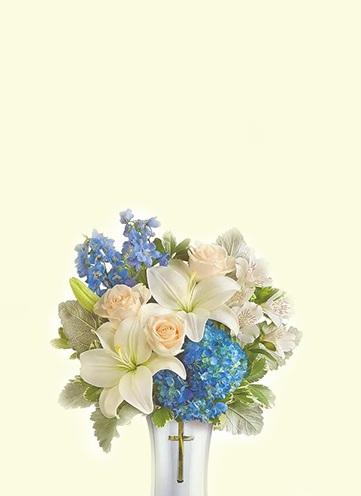
- Combine hydrangeas with roses, peonies, or greenery for lush, romantic bouquets.
Drying Hydrangeas for Lasting Decor
- Wait until blooms feel papery and slightly dry on the bush before cutting.
- Hang upside-down in a cool, dark place for several weeks.
- Spray with hairspray for extra hold and longevity.
Hydrangea Wreaths and Crafts
- Use dried or fresh heads to make stunning wreaths, crowns, or wall art.
- Integrate with ribbons, berries, or dried lavender for a rustic appeal.
Hydrangeas in Landscaping Design
- Mass plant for dramatic borders or privacy hedges.
- Pair with shade-loving perennials like hosta, fern, or astilbe.
- Use climbing hydrangeas to beautify old trees, walls, or fences.
Year-Round Hydrangea Care Calendar
- Spring: Fertilize, mulch, water actively as growth resumes. Prune panicle and smooth hydrangeas.
- Summer: Maintain moisture, deadhead spent blooms, and cut flowers for arrangements.
- Autumn: Mulch for winter insulation, cut back dead material, and stop feeding.
- Winter: Protect tender types with burlap if needed; check for rodent or weather damage.
Frequently Asked Questions: Unlocking Hydrangea Secrets
How can I get my hydrangea to flower more profusely?
Ensure ample sunlight, feed in early spring, and use proper pruning techniques for your variety. Avoid excessive nitrogen and water consistently during dry spells.
Why are my hydrangea leaves turning yellow?
Possible causes include overwatering, poor drainage, or nutrient deficiencies (notably iron). Correct by improving drainage and feeding a balanced, slow-release fertilizer.
Can I grow hydrangeas in pots?
Absolutely! Choose compact varieties, use a quality potting mix, water diligently, and feed regularly. Container hydrangeas may need extra protection from winter cold.
What's the easiest hydrangea for beginners?
Smooth hydrangeas (Hydrangea arborescens) such as 'Annabelle' are tough, forgiving, and bloom reliably on new growth.
How do I dry hydrangea flowers successfully?
Allow blooms to age on the plant until papery, then cut and hang heads upside-down in a dark, ventilated room.
Conclusion: Elevate Your Garden with Hydrangea Beauty
Hydrangeas reward attentive gardeners with jaw-dropping beauty, versatile landscaping value, and enjoyment year after year. By following this comprehensive hydrangea care guide--from site selection and planting, through watering, feeding, pruning and creative uses--you can truly harness hydrangea beauty and enrich both your garden and home. Experiment with different hydrangea varieties, nurture their health, and let your creativity bloom alongside these remarkable shrubs.
Let your hydrangeas sparkle; the beauty you cultivate will blossom, inspire, and endure.