How to arrange funeral flowers with dignity and local rules in mind
Posted on 19/10/2026
Arranging funeral flowers can feel oddly technical at a time when most people would rather just do something kind and heartfelt. You want the flowers to look dignified, say the right thing without saying too much, and fit the venue, faith, and local expectations. That is where How to arrange funeral flowers with dignity and local rules in mind really matters. It is not only about choosing lilies or roses. It is about understanding placement, wording, size, timing, and the practical details that can trip people up when emotions are already running high.
In this guide, we will walk through the essentials in plain English: what respectful funeral flowers usually look like, how to plan them properly, which local rules or venue requirements may affect them, and how to avoid awkward mistakes. If you are ordering for a chapel, crematorium, church, graveside service, or family home, you will find useful guidance here. Truth be told, the best arrangements are usually the ones that feel calm, considered, and quietly generous.
Let's make it easier.
- Why this matters
- How the process works
- Key benefits
- Who needs this guidance
- Step-by-step guidance
- Expert tips
- Common mistakes to avoid
- Tools, resources and recommendations
- Law, compliance and best practice
- Options and comparison
- Example
- Checklist
- Conclusion
- Frequently asked questions
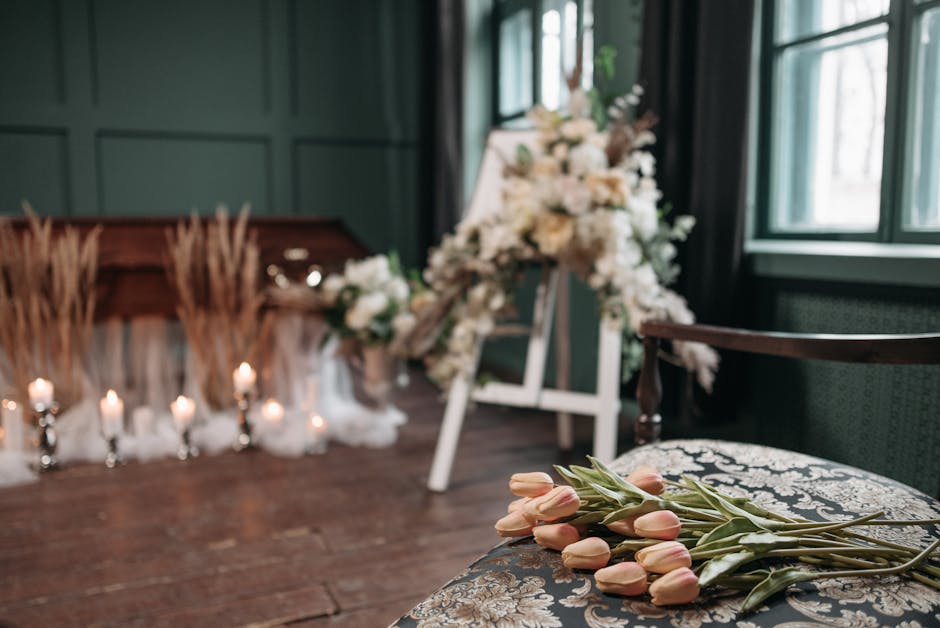
Why How to arrange funeral flowers with dignity and local rules in mind Matters
Funeral flowers do more than decorate a service. They help frame the atmosphere, signal respect, and give mourners something beautiful to focus on when words feel inadequate. A well-arranged tribute can soften a room, guide the eye, and provide a sense of order on a difficult day. A poorly planned one, on the other hand, can look too bright, too large, badly timed, or simply out of place.
This matters because funeral settings are rarely casual. A church may have rules about where floral tributes can be placed. A crematorium may limit aisle space, pedestal size, or the number of tributes on stage. Some families want a traditional, restrained style. Others prefer something more personal, such as a casket spray with a favourite flower or a shaped tribute with a name or relation. The key is to match the arrangement to the setting, not force the setting to fit the flowers.
There is also a human side to this. People often worry about getting it wrong. Should the tribute be white? Can you use bright colours? Is it rude to send flowers directly to the venue? What if the family requested donations instead? These are all reasonable questions. And yes, a lot depends on local norms, the faith tradition involved, and the venue's practical rules. Being thoughtful here is a kind of respect in itself.
Expert summary: The best funeral flowers are not necessarily the most elaborate. They are the ones that suit the person being remembered, the family's wishes, and the venue's practical limits. Calm, appropriate, and timely usually wins.
How How to arrange funeral flowers with dignity and local rules in mind Works
The process is simpler than it may first appear, but the details matter. In practice, arranging funeral flowers usually follows five decisions: the type of tribute, the colour palette, the message, the delivery destination, and the timing. Each one has a dignity angle and a local-rules angle.
First, you choose the form. Common options include wreaths, sprays, sheaves, cushions, hearts, crosses, baskets, posies, and letter tributes. Some are suited to the casket, some to the front of a service, and some to the family home. For example, a casket spray is usually reserved for close family, while a posy or sheaf can be appropriate for friends, neighbours, or colleagues. That distinction still matters in many UK funerals.
Then comes the colour and flower choice. White is often associated with peace and simplicity. Soft pinks, lilacs, creams, and greens are gentle and traditional. Bright colours can be perfectly acceptable too, especially when reflecting a personality, culture, or favourite season. What you want to avoid is visual noise: too many clashing colours, oversized extras, or a design that looks more like a celebration table than a farewell.
Finally, you need to check practical rules. Venues may ask for:
- delivery before a certain time
- labels with the full name of the deceased
- restrictions on open water containers
- limits on size, height, or loose foliage
- tributes placed only in designated areas
It sounds formal, but it is really just logistics. And logistics, in funeral work, are part of dignity.
If you are selecting a tribute online, pages such as funeral flowers and sympathy flowers are a useful starting point because they help you think in terms of tribute style rather than just bouquet style. That small shift is important.
Key Benefits and Practical Advantages
When funeral flowers are arranged properly, the benefits are both emotional and practical. The emotional side is obvious: they show care, sympathy, and presence. The practical side is easy to overlook, but it is often where problems are avoided.
- They create a respectful focal point. A well-placed wreath or spray can quietly organise the space and help the service feel settled.
- They reduce stress for the family. If the flowers arrive on time and in the right form, one less thing needs sorting on the day.
- They can reflect personality without overstatement. A simple tribute in a favourite colour can be deeply meaningful.
- They fit venue rules more easily. A florist who understands funeral etiquette will steer you away from awkward sizing or unsuitable packaging.
- They help coordinate group giving. For colleagues or extended family, a larger shared tribute may be more appropriate than several small, conflicting arrangements.
There is also a subtle benefit that people do not talk about enough: good funeral flowers help other mourners feel included. When the tribute looks considered, people sense that someone has taken care over the moment. That matters, especially in smaller services where every detail feels close.
If you are comparing styles, a more compact basket or posy may suit a family home or wake, while a larger spray or wreath is often better for a chapel or crematorium. That is the sort of judgement that saves embarrassment later.
Who This Is For and When It Makes Sense
This guidance is useful for anyone arranging flowers after a bereavement, but especially for people who are not used to funeral etiquette. That includes adult children organising for a parent, friends supporting a grieving family, workplace teams sending condolences, and extended relatives who want to contribute without stepping on anyone's toes.
It also makes sense in a few common scenarios:
- When the service is in a church, crematorium, mosque, temple, synagogue, or chapel. Different faith and venue traditions may affect what is suitable.
- When the family has asked for donations. You may still be able to send flowers, but the family's wish comes first.
- When the tribute needs to be delivered locally. Timing and routing become important, especially if the service is early in the day.
- When multiple people are contributing. Someone needs to make the final call on style, wording, and budget. Otherwise, it gets messy very quickly.
To be fair, the biggest issue is not usually lack of care. It is overlap. Three different relatives may all order similar tributes in slightly different colours, and suddenly the front of the venue looks crowded. One coordinated plan tends to work much better.
If you are arranging from the Osidge, N14 area or nearby, it helps to choose a florist familiar with local delivery expectations and the kind of funeral venues common in North London. A local florist in Osidge N14 can often give more practical guidance than a generic national checkout flow. That local feel can make all the difference.
Step-by-Step Guidance
1. Confirm the venue and timing first
Before you choose flowers, check where the service is taking place and what the venue allows. Churches, crematorium chapels, cemeteries, and private venues all have different layouts. Some allow delivery only within a set window. Some need the deceased's full name on every label. Some want tributes placed in a certain order. If you skip this step, the rest can fall apart. Simple as that.
2. Decide what role the flowers will play
Are the flowers for the casket, the altar area, the entrance, or the family home afterwards? That choice determines size and style. A casket spray should usually feel full and central. A sympathy bouquet or basket may be more suitable for home delivery. A wreath is classic and unmistakably funeral in tone. A posy is more understated.
3. Choose an appropriate design
Once you know the role, the design starts to make sense. Common options include:
- Wreaths: traditional, circular, and often used at services or gravesides
- Sprays: long, elegant, suitable for caskets or display areas
- Hearts: personal and emotional, often used by close family
- Crosses: suitable where religious symbolism is welcome
- Posies and baskets: smaller, easier to place, good for sympathy sending
- Letter tributes: more personalised, but they need space and careful delivery
If you want a classic, restrained look, products such as wreaths, sprays, and baskets and posies are often the easiest place to begin.
4. Keep the message clear and kind
Funeral cards do not need to be poetic. In fact, the best messages are usually short. "With deepest sympathy" or "In loving memory" is often enough. If you knew the person well, a more personal message can be appropriate. Just avoid anything jokey, cryptic, or overly long. Nobody wants to decode a paragraph while they are standing in silence. Let's not make a hard day harder.
5. Match colour and flower choice to the tone
White lilies, roses, chrysanthemums, carnations, and mixed greens are common for a reason: they are calm, traditional, and visually balanced. Soft pastels can feel gentle and warm. Deeper tones can feel rich and reflective. A vibrant tribute can also be lovely, especially if it reflects a personality, hobby, or faith tradition. The trick is balance. Dignity rarely comes from excess.
6. Check the delivery details carefully
Use the exact venue name, service time, deceased's name, and any instructions given by the funeral director. If the order is going to the family home instead, make that clear. A locally experienced delivery service can help here, especially if time windows are tight. For time-sensitive arrangements, same-day delivery or next-day delivery may be useful, but only if the venue schedule allows it. A rushed tribute can still be done well; it just needs clear information.
7. Confirm who is paying and who is signing off
If several people are involved, decide early who approves the final choice. It avoids crossed wires. One relative may want a very traditional tribute, another may prefer something more personal, and a workplace group may have its own budget. One decision-maker, or at least one point of contact, keeps things calm.
Expert Tips for Better Results
A few small decisions can lift a tribute from "fine" to quietly excellent. These are the things experienced florists notice straight away.
Tip 1: Keep the palette controlled. Two or three main colours usually look more dignified than a rainbow mix. White and green is the safest classic option, but cream, blush, lilac, and soft yellow can work beautifully too.
Tip 2: Choose flowers that hold well. Funeral flowers may need to travel, sit for a while, and still look fresh in a warm venue. Seasonal flowers can be a smart choice because they tend to be more reliable and more natural-looking. There is no need to overcomplicate it.
Tip 3: Think about where people will actually see the tribute. A long spray can be perfect on a casket but awkward on a narrow ledge. A large wreath may look wonderful in photos but too bulky in a small chapel. Venue fit matters more than people realise.
Tip 4: Use wording that belongs to the relationship. A colleague's tribute should read differently from a spouse's. That subtle distinction helps the arrangement feel authentic rather than generic.
Tip 5: Ask about faith or cultural customs if you are unsure. This needs a gentle touch. If you are supporting a family from a different background, a respectful question is better than making assumptions. Some traditions welcome flowers, while others prefer more restrained display or different colours.
Tip 6: Don't forget the practical aftermath. Some tributes are taken home, some stay at the venue, and some are placed at the graveside. If the family will be transporting flowers afterwards, a sturdier design may be more suitable than a fragile, sprawling one.
A small human note here: we have all seen the arrangement that looked lovely in the shop but turned a bit wobbly by the time it arrived. Flowers are graceful, but they are not invincible.
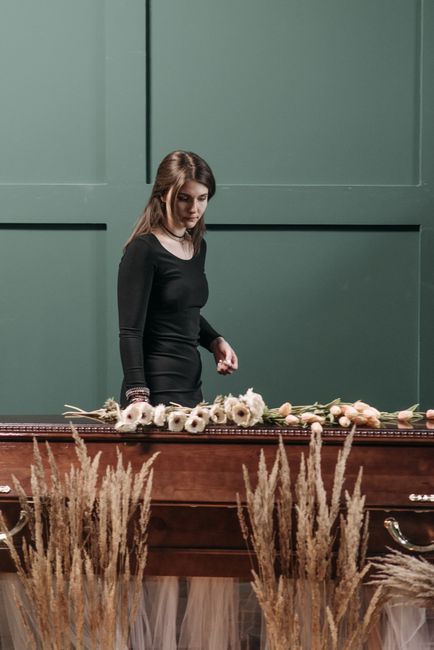
Common Mistakes to Avoid
Most funeral flower mistakes are understandable. They happen because people are grieving, rushing, or trying too hard to be helpful. Still, they are worth avoiding.
- Ignoring venue rules. This is the big one. If the venue limits size or delivery time, respect that.
- Ordering too late. Last-minute orders can be done, but options may be limited and delivery windows tighter.
- Choosing the wrong scale. A tribute that is too large can crowd the service. Too small can look accidental.
- Using a message that is too casual. Humour, slang, or inside jokes are risky unless you are absolutely certain they suit the family.
- Overloading with decoration. Glitter, excessive ribbon, or novelty add-ons rarely feel right at a funeral.
- Forgetting name accuracy. A spelling mistake on a tribute card is painful. Double-check every name and title.
- Not coordinating with others. Multiple tributes can unintentionally clash if nobody is keeping an eye on the overall picture.
One small but common slip: sending flowers to the wrong place because "the service is at the crematorium" sounded clear enough. In reality, the family may want tributes to go to the church first, or to the home after the service. Worth checking. Always.
Tools, Resources and Recommendations
You do not need specialist equipment to arrange funeral flowers, but a few practical tools and resources can make the process easier.
- A clear brief: the deceased's full name, service time, venue, and any family wishes.
- A budget range: this helps the florist recommend a tribute that suits both scale and sentiment.
- Reference photos: if you want a particular shape, colour palette, or floral style, a picture can help avoid misunderstandings.
- Venue instructions: any notes about delivery access, timing, or placement.
- Relationship context: whether the tribute is from a spouse, sibling, friend, or work group changes the tone.
For product inspiration, it can help to browse carefully chosen ranges such as sympathy, funeral cards, and letter tributes. These categories tend to make the decision less overwhelming because the style is already framed appropriately. If you want something straightforward and respectful, that is often the easiest route.
It is also sensible to look at florist information pages like delivery, guarantees, and flower care so you know what to expect after ordering. Those pages do not tell you how to grieve, of course, but they do help you understand the practical side.
Law, Compliance, Standards, or Best Practice
Funeral flowers are not usually governed by a single strict law in the way a regulated product might be. The relevant "rules" are more often a mix of venue policies, funeral director instructions, religious practice, transport logistics, and common-sense best practice. That means you should be careful about assuming that one approach fits all.
In the UK, the most important practical considerations tend to be:
- Venue access rules: some sites have narrow delivery windows, parking limits, or set procedures for placing tributes.
- Religious or cultural expectations: traditions differ, and colour symbolism can matter.
- Health and safety: avoid unstable designs, excessive loose foliage, or containers that could spill during handling.
- Data and order accuracy: personal details for the deceased and family should be handled carefully and only shared as needed.
- Consumer expectations: if you are ordering from a florist, be clear about size, style, and delivery time so the finished tribute matches what was agreed.
The best practice is simply to confirm details early, keep communication clear, and make sure the florist understands the setting. If a particular venue has its own traditions, follow them. If the family has asked for donations rather than flowers, respect that too. It is not complicated, just thoughtful.
For shoppers who value transparency, it can help to review policies such as terms and conditions, privacy policy, and returns and refund. Those pages will not answer every funeral question, but they do support trust and clarity when arranging something emotionally important.
Options, Methods, or Comparison Table
If you are unsure which tribute is most suitable, this comparison can help. The "best" option depends on relationship, venue, and the family's wishes rather than on flower type alone.
| Tribute type | Best for | Typical tone | Practical note |
|---|---|---|---|
| Wreath | General funeral tribute, church or crematorium | Classic, formal, respectful | Easy to place and widely recognised |
| Spray | Casket top or central display | Elegant, fuller, more prominent | Needs enough space and a stable surface |
| Posy | Friends, neighbours, colleagues | Soft, understated | Compact and versatile |
| Basket | Home delivery or family display | Warm, gentle, approachable | Good if the flowers may be moved later |
| Heart | Close family tribute | Personal, affectionate | Often chosen for a more emotional statement |
| Letter tribute | Name or relationship tribute | Personal, expressive | Needs clear spelling and more space |
If you want something more traditional, wreaths and sprays are the usual starting points. If the aim is quieter sympathy rather than a display at the service, a basket or posy may be more appropriate. There is no prize for being the most elaborate. Quite the opposite, usually.
Case Study or Real-World Example
A recent example that may feel familiar: a family needed flowers for a crematorium service in North London, but three different relatives were contributing from different places. One wanted a large white spray, another preferred a basket for the wake, and a colleague group wanted a separate tribute from the workplace. Everyone had good intentions. Nobody wanted to clash.
The practical solution was simple. The close family chose one main casket spray in white and soft green. The colleague group ordered a smaller wreath with a short message. The basket was sent to the family home the day before the service so it could be used later at the wake. Because the venue had a clear delivery cut-off, everything arrived in the right order and nothing felt crowded.
What made that arrangement work was not the budget or the number of flowers. It was coordination. The family had one point of contact, the florist had full venue details, and the wording was kept short and respectful. The flowers did exactly what they should do: they supported the day without taking over it.
That is really the aim. Not perfection. Just calm, considerate, and well-timed.
Practical Checklist
Use this checklist before you place the order. It saves stress, and sometimes a lot of it.
- Confirm the venue: church, crematorium, cemetery, home, or other location.
- Check the service time: allow enough lead time for preparation and delivery.
- Ask about venue rules: size, placement, timing, and any restrictions.
- Decide the tribute type: wreath, spray, posy, basket, heart, cross, or letters.
- Choose the colour palette: traditional, soft, seasonal, or personal.
- Write the card message: short, clear, and appropriate.
- Verify spelling: names, titles, and relation words all need a careful check.
- Confirm who is ordering: one main contact avoids confusion.
- Review the budget: make sure it matches the size and style you expect.
- Ask about delivery and collection: where the flowers go after the service matters too.
Quick takeaway: if you remember nothing else, remember this - the most dignified funeral flowers are the ones that fit the person, the place, and the moment. That is the whole game, really.
Conclusion
Arranging funeral flowers with dignity is not about being grand or overly clever. It is about making careful choices, respecting local rules, and keeping the tone gentle and human. When the tribute suits the venue, the family's wishes, and the relationship it represents, the flowers feel right straight away. That quiet rightness is what people remember.
So, whether you are choosing a classic wreath, a soft sympathy basket, or a more personal tribute, take a moment to check the rules, confirm the timing, and keep the message simple. Those little details carry a lot of weight when the day arrives and the room goes still.
Get a free quote today and see how much you can save.
And if you are still unsure, that is perfectly normal. A good florist will help you choose something thoughtful, suitable, and beautifully understated - the kind of tribute that speaks softly, but clearly.
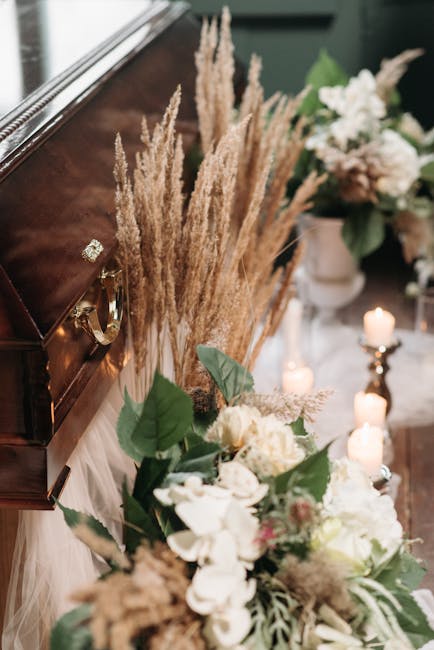
Frequently Asked Questions
What is the most appropriate funeral flower arrangement?
The most appropriate arrangement depends on the relationship and the venue. Wreaths and sprays are traditional for services, while posies and baskets are often better for sympathy gifts or home delivery.
Do funeral flowers have to be white?
No. White is a classic choice because it feels calm and respectful, but soft pastels, greens, and even more personal colour combinations can be suitable if they match the person and the family's wishes.
Can I send funeral flowers directly to a crematorium or church?
Usually yes, but you should always confirm the venue's delivery rules first. Some places have strict time windows, label requirements, or placement instructions.
What should I write on a funeral flower card?
Keep it brief and sincere. Common messages include "With deepest sympathy," "In loving memory," or a short personal line if you knew the person well.
How far in advance should I order funeral flowers?
As early as possible. A few days gives more choice and reduces stress, though some florists can arrange quicker delivery if the service is soon.
What flowers are usually used for funerals in the UK?
White roses, lilies, chrysanthemums, carnations, and mixed greenery are all common. Seasonal flowers can also work well if they suit the tone and travel safely.
Can funeral flowers be personalised?
Yes. Many tributes can be personalised with colours, letters, shapes, ribbons, or wording that reflects a hobby, relationship, or faith tradition.
Is it okay to send flowers if the family asked for donations?
It depends on the family's wish. If they have clearly requested donations instead of flowers, it is best to respect that. If the message is less formal, you may want to check with someone close to the family first.
How do I choose between a wreath, spray, and posy?
Think about scale and setting. Wreaths are traditional and versatile, sprays are fuller and often used on caskets, and posies are smaller, gentler, and easier to place.
Are there rules about funeral flower size?
There may be venue rules rather than legal rules. A crematorium or church might limit size, height, or placement, so it is wise to check before ordering.
Can I arrange funeral flowers on a budget without them looking cheap?
Yes. Simpler designs with well-chosen flowers often look more elegant than oversized arrangements. A restrained palette and clear shape make a budget tribute feel thoughtful rather than plain.
What if I am not sure about cultural or religious customs?
Ask politely or work with a florist who understands different traditions. That small bit of checking can prevent awkward mistakes and shows real respect.
Should funeral flowers be delivered on the day or the day before?
Follow the venue or funeral director's guidance. Some services prefer same-day delivery, while others are easier if tributes arrive the day before and are stored safely.
Can a florist help me choose the right tribute if I do not know where to start?
Absolutely. A good florist can guide you by relationship, venue, budget, and style, which is often the easiest way to narrow it down when everything feels a bit overwhelming.
In the end, the aim is not to create the biggest display in the room. It is to make something that feels respectful, steady, and true. That kind of care never really goes unnoticed.