How to create long lasting table centerpieces for events
Posted on 04/11/2026
How to Create Long Lasting Table Centerpieces for Events
If you are planning a wedding breakfast, a corporate dinner, a charity gala, or even a private celebration at home, the table decor has a bigger job than most people realise. The best centrepieces do more than look pretty for ten minutes and then wilt in the corner. They need to hold their shape, stay fresh through the event, and still look polished when the room lights soften later in the evening. That is exactly what this guide on how to create long lasting table centerpieces for events is here to help with.
Truth be told, long-lasting table arrangements are part design, part flower knowledge, and part practical planning. Get the balance right and the whole table feels calm, elegant, and intentional. Get it wrong and, well, you may end up with drooping stems and a lot of last-minute fuss. Let's avoid that.
In this article, you will learn how longevity actually works, which flowers and mechanics tend to hold up best, how to plan for different event styles, and where people usually trip up. There is also a comparison table, a checklist, FAQs, and a realistic example so you can put the ideas into practice without guesswork.
Practical takeaway: The longest-lasting table centrepieces are not simply the most expensive ones. They are the arrangements that combine sturdy flowers, good hydration, sensible placement, and the right design for the event length.
Table of Contents
- Why long lasting table centerpieces matter
- How lasting table centerpieces work
- Key benefits and practical advantages
- Who this is for and when it makes sense
- Step-by-step guidance
- Expert tips for better results
- Common mistakes to avoid
- Tools, resources and recommendations
- Law, compliance, standards, or best practice
- Options, methods, or comparison table
- Case study or real-world example
- Practical checklist
- Conclusion
- Frequently asked questions
Why How to Create Long Lasting Table Centerpieces for Events Matters
Table centrepieces are often the visual anchor of an event. Guests notice them as they sit down, they appear in photos all evening, and they help set the tone before the first speech or toast. If the arrangement collapses, dries out, or starts looking tired halfway through the event, the whole room can feel less considered. You do not need perfection. But you do need staying power.
This matters most for events where the tables remain in use for several hours: weddings, formal dinners, launches, awards evenings, birthday parties, and memorial gatherings. A centerpiece that looks fresh at 6 pm and still looks decent at 10 pm is doing its job properly. For florists, event planners, venue teams, and DIY hosts, that reliability saves time and stress.
There is also a practical side. A long-lasting centerpiece reduces waste, lowers the chance of emergency replacements, and makes planning more predictable. If you are ordering flowers for a specific table count, that predictability matters. It also helps if you are pairing the flowers with other event details, such as wedding table arrangements or seasonal picks from the broader weddings collection.
In our experience, the best event hosts are not the ones who overspend on the fanciest blooms. They are the ones who think ahead. They ask: how warm is the room, how long will the flowers sit out, and will guests be reaching across the table all night? Good questions. Very good questions, actually.
How How to Create Long Lasting Table Centerpieces for Events Works
Long-lasting centrepieces work by reducing stress on the flowers and improving moisture retention. That sounds technical, but the idea is simple. Cut flowers last longer when they are hydrated well, kept cool, chosen for their natural durability, and arranged in a way that does not crush stems or expose delicate petals to too much heat.
Think of it in layers. First comes the flower choice. Some flowers are naturally sturdier than others. Roses, chrysanthemums, alstroemeria, carnations, lisianthus, hypericum, and many spray-style blooms tend to hold shape well. Then comes the structure. Floral foam, water-filled containers, vases, baskets, and low bowls all support stems differently. Finally, there is placement. A centrepiece near a radiator, under strong sun, or beside a busy kitchen door will age faster than one in a cooler, calmer spot. Obvious maybe, but easy to overlook on a hectic event day.
Event timing matters too. A centrepiece for a two-hour lunch can be designed differently from one for a full-day wedding. You can be a bit more adventurous if the event is short. For longer events, you want cleaner mechanics, firmer blooms, and fewer fragile surfaces. If you are choosing arrangements for a special occasion, any occasion options and seasonal lines such as summer flowers can be a useful starting point.
There is also the refresh factor. A truly long-lasting centrepiece is not always one that sits untouched. Sometimes the smartest approach is a design that can be lightly misted, topped up, or rearranged during the event without looking like it has been fussed over. That quiet practicality is what makes a design feel professional.
Key Benefits and Practical Advantages
Long-lasting table centrepieces do more than survive the day. They make the event easier to manage and nicer to experience. Here are the main advantages, in plain English.
- Better presentation for longer: Guests see a fresh-looking table throughout the event, not just at the start.
- Less last-minute stress: When the structure is sound, you are less likely to be dealing with repairs before guests arrive.
- Improved value: Flowers that last longer give you more visual return from the same investment.
- More photo-friendly moments: Photographers do not always shoot right at the beginning. A stable arrangement still looks good later on.
- Lower waste: Sturdy flowers and proper conditioning reduce the amount of material that ends up unusable.
- Cleaner guest experience: Low, secure centrepieces are less likely to block sightlines or shed petals over table settings.
There is a practical hospitality benefit as well. Guests are more comfortable when the centrepiece does not dominate the table. It should frame the space, not fight it. That is especially true for dinners, where people need room for glasses, plates, menus, and conversation. Nobody wants to lean around a giant arrangement just to reach the bread basket.
For business events and corporate hospitality, long-lasting designs also help keep the room looking composed through changing light, service rounds, and speeches. If your event needs a polished finish, a thoughtful floral choice such as a luxury flowers selection can be adapted into a more restrained table design without losing impact.
Who This Is For and When It Makes Sense
This approach is useful for almost anyone planning a table-based event, but it is especially relevant if the event lasts more than a couple of hours, includes many guests, or has a strong visual theme.
Best suited for:
- Wedding couples planning reception tables and top tables
- Event planners managing conferences, launches, or gala dinners
- Venue teams looking for low-maintenance floral decor
- Families organising birthdays, anniversaries, christenings, or wakes
- DIY hosts who want a polished result without constant maintenance
It makes the most sense when you want flowers to stay presentable for the full duration of the event, not just during the first wave of arrivals. If you are hosting a short brunch in a cool room, you may not need the same level of engineering. But once you stretch into evening service, dancing, or long speeches, durability starts to matter more.
A small example: a birthday dinner in a village hall with warm lighting and a long gap between set-up and service needs a very different arrangement from a midday lunch in a bright restaurant. Same idea, different conditions. That is where people can go wrong - they copy a beautiful arrangement from a photo without considering time, temperature, or table use.
Step-by-Step Guidance
Here is the most practical part: how to actually build a long-lasting centerpiece that does its job properly.
1. Start with the event length and room conditions
Before you choose a single flower, think about the environment. How long will the table be in use? Is the room warm, cool, dry, or humid? Is the venue near direct sunlight? Will candles, heating, or kitchen traffic affect the display? These things sound minor, but they make a noticeable difference.
2. Choose flowers known for stamina
Some flowers simply hold better than others. Sturdy blooms and fillers are your friends here. Good choices often include roses, carnations, chrysanthemums, alstroemeria, spray roses, lisianthus, hypericum berries, and some greenery that keeps its shape well. If you are building a colour theme, the white, pink, and mixed colours ranges can be a practical way to create a consistent look.
3. Pick the right container or mechanism
Low bowls, compact vases, baskets, and water-based mechanics are often more stable than tall, top-heavy designs. Floral foam can be useful where appropriate, but it should be used carefully and only when needed. A secure water source, snug stem placement, and a stable base all help keep the arrangement fresh and upright. Stability is not glamorous, but it matters.
4. Condition the flowers properly
Fresh flowers last longer when they are cut cleanly, placed into clean water, and given time to hydrate before the event. Remove any leaves below the water line. Recut stems if needed. Keep the flowers cool before installation. This step is often rushed, and that is a shame, because it can make the biggest difference of all.
5. Build for airflow and space
Do not pack the stems too tightly. Airflow helps reduce heat build-up and gives the arrangement a more natural finish. A little breathing room also prevents petals from bruising against each other, which can make an arrangement age faster than expected.
6. Set the arrangement in the right place
Position the centrepiece away from heat sources, direct sunlight, and draughts where possible. If the event setup involves a long wait before guests arrive, ask someone to keep the room cool and shaded. Even a small change in placement can buy you a few extra hours of freshness. And yes, a tired-looking centerpiece can lose its charm surprisingly quickly under a hot spotlight.
7. Plan for light maintenance
Build in a simple refresh routine. A small top-up of water, a quick petal check, or removing one damaged bloom can keep the arrangement looking good without a full rebuild. For premium event flowers, the same general care principles used for flower care are worth following here too, even if the display is temporary.
8. Test the design before the event
If the centrepiece is for an important occasion, make one sample and see how it behaves over a few hours. Does it tilt? Do certain blooms open too fast? Does it look as good in evening light as it does in the morning? A test run can save a lot of grief later.
Expert Tips for Better Results
When you want centrepieces that last, the small details make a big difference. Here are the tips that tend to separate a solid arrangement from a truly reliable one.
- Use a mix of open and tighter buds. That way the display evolves gracefully instead of looking full immediately and then fading too soon.
- Keep the colour palette controlled. Calm combinations usually age better visually than overly busy mixes, especially under evening lighting.
- Layer textures rather than overstuffing the design. A little contrast between petals, berries, and foliage creates depth without crowding the container.
- Choose shorter stems for low tables. Long stems can look elegant, but they also lean, wobble, and catch on everything.
- Think about scent. Some flowers are beautifully fragrant, but a heavy scent can be overpowering in a small room. Lovely in moderation. Too much, and it becomes a headache no one asked for.
- Match the design to the venue furniture. Round banquet tables, long trestle tables, and intimate restaurant tables need different proportions.
If the event is tied to a particular season, use that to your advantage. Autumn tones can feel warm and grounded, while lighter summer palettes can keep the room feeling fresh. Seasonal inspiration from ranges such as autumn or summer can help guide the colour direction without making the design feel random.
One more thing: always allow a bit of wiggle room in your plan. Flowers are living material, not printed props. They will not behave exactly the same every time, and that is part of the charm. A good florist works with that rather than fighting it.
Common Mistakes to Avoid
A lot of centerpiece problems come from simple assumptions, not bad taste. Here are the most common ones.
Choosing flowers for looks alone
Some flowers are stunning in a photo but delicate in real event conditions. If the room is warm or the event is long, fragile blooms may wilt faster than you expect. Beauty matters, obviously, but endurance matters too.
Ignoring table size and guest sightlines
Too tall, too wide, or too dense and the arrangement starts interfering with conversation. Guests should not have to peek around the flowers like they are at a hedge maze. Low, balanced centrepieces are often the safer choice.
Using too much water or too little
Both are a problem. Overly soggy mechanics can cause mess, while under-hydrated stems will collapse. The goal is stable moisture, not a flood.
Skipping conditioning time
Rushed flowers show it. They may look fine for an hour, then soften quickly. Proper hydration before installation really does help.
Placing arrangements in awkward spots
Near heating vents, sunny windows, or busy buffet lines? Not ideal. The arrangement may survive, but it will work harder than it needs to. Give it a fair chance.
Forgetting the rest of the table
Napkins, glassware, candles, menus, and place settings all interact with the centrepiece. A design that looks lovely on its own may become clumsy once the table is fully dressed.
Tools, Resources and Recommendations
You do not need a van full of specialist equipment to create a strong centerpiece, but the right tools make the job easier and cleaner.
- Sharp flower scissors or secateurs: Clean cuts help stems take up water more effectively.
- Clean buckets: Use them for conditioning and transporting flowers.
- Flower food: Helpful for keeping water cleaner and supporting hydration.
- Low, sturdy containers: Good for tables where height must stay controlled.
- Water tubes or hidden vessels: Useful for specific stem support when needed.
- Non-marking base protection: Especially important in venues with delicate linens or polished tables.
- Transport boxes: Reduce bruising and keep finished pieces stable.
For inspiration, browsing product collections can be useful even if you are not copying them directly. For example, compact designs in baskets and posies or more formal styles in flowers in a vase can help you decide what kind of structure suits the event. If you are planning a wedding, wedding table arrangements are especially useful as a reference point because they are built with guest comfort and visual balance in mind.
If you are working on a larger event schedule, it also helps to keep your ordering, delivery, and setup timeline clear. A well-organised supplier process makes a real difference. For general service information, pages such as delivery and contact us can support planning without overcomplicating things.
Law, Compliance, Standards, or Best Practice
For most floral events, the main issues are practical best practice rather than heavy regulation. Still, there are a few sensible standards worth keeping in mind, especially in UK venues.
First, think about venue rules. Some venues limit open flames, height on tables, or the use of certain materials. Others may ask that arrangements do not block emergency exits, signage, or sightlines for staff. If candles are involved, check the venue's fire safety guidance and treat it seriously. It is one of those things people assume will be fine until it is very much not fine.
Second, be mindful of allergens and strong scents. In enclosed rooms, heavily scented flowers can be unpleasant for some guests. A lighter fragrance or mixed arrangement is often the calmer choice. Not glamorous advice, but sensible.
Third, if you are using imported or pre-ordered flowers, quality and condition on arrival matter. Handle them carefully, keep them hydrated, and inspect them before installation. If anything looks compromised, replace it rather than hoping it will improve. It probably won't.
Finally, good customer service expectations still apply even in events. Clear communication about timing, substitutions, and design choices helps avoid confusion. The same thinking that underpins sound business policies, like returns and refund and terms and conditions, is useful in event planning too: be clear, be fair, and do not leave things vague.
Options, Methods, or Comparison Table
Different centerpiece methods suit different kinds of events. Here is a straightforward comparison to help you choose.
| Method | Best for | Longevity | Pros | Trade-offs |
|---|---|---|---|---|
| Low vase arrangement | Dinners, weddings, formal tables | High | Stable, elegant, easy to maintain | Needs the right container and stem balance |
| Floral foam design | Complex shapes, specific styling | Medium to high | Flexible design control | Can be less sustainable if overused |
| Basket or posy style | Relaxed events, intimate tables | High | Charming, compact, easy to place | May need careful lining and hydration |
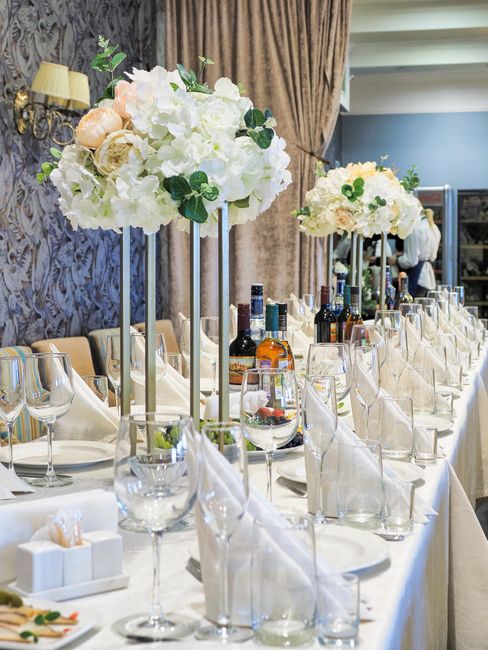
| Tall focal arrangement | Large venues, formal banquets | Medium | Strong visual impact | Can block sightlines and feel top-heavy |
| Mixed foliage-led centrepiece | Long events, rustic themes | High | Durable, textural, less delicate | May feel less floral if not balanced well |
For many event settings, low vase or basket-style arrangements give the best mix of beauty and practicality. They are easier to refresh, less likely to interfere with dining, and less stressful to transport. Tall designs can still work, but they suit bigger spaces and more formal room layouts. Not every table needs drama. Sometimes neat and calm wins.
Case Study or Real-World Example
Here is a realistic example. A couple planning a late-summer wedding wanted centrepieces that would last from the afternoon ceremony through dinner and dancing. The room had warm lighting, a few candles, and guests were expected to stay well into the evening. They liked the look of soft whites, pale pinks, and greenery, but they also wanted something that would not flop before the speeches.
The solution was a series of low table arrangements using sturdy roses, lisianthus, alstroemeria, and a little textural foliage. The flowers were conditioned the day before, kept cool before delivery, and placed in low containers that allowed easy conversation across the tables. The design avoided very delicate blooms and used a compact shape rather than a loose, sprawling one.
What made the difference was not just the flowers themselves. It was the planning around them. The tables stayed clear for glassware, the arrangements were not placed near hot windows, and there was a quick room check before guests entered. By the end of the evening, the flowers still looked fresh enough for photos, which is really the point. Beautiful at the start is nice. Beautiful at the end is better.
If you are planning something similar, you might look at wedding-focused options such as white lily, rose and orchid wedding centrepieces or softer mixed styles like roses and chrysanthemums wedding arrangements. Those combinations are often chosen because they hold shape well and still feel refined throughout the event.
Practical Checklist
Use this checklist when planning your centrepieces. It keeps the important bits in one place.
- Confirm event length and table layout
- Check venue temperature, light, and heating conditions
- Choose flowers with good vase life and sturdy petals
- Select a container or mechanic that fits the design and table size
- Condition flowers properly before the event
- Remove leaves below the water line
- Use clean tools and clean water
- Plan the arrangement height so guests can talk comfortably
- Avoid placing centrepieces near heat, sun, or draughts
- Allow time for a final inspection before guest arrival
- Prepare a simple refresh plan if the event runs long
- Check candles, if used, comply with venue guidance
If you can tick all of those off, you are in a very good place. Not perfect, maybe, but close enough that the flowers can do their job without drama.
Conclusion
Learning how to create long lasting table centerpieces for events is really about understanding the difference between a pretty arrangement and a dependable one. The best designs are built on sturdy flowers, thoughtful structure, proper hydration, and an honest look at the event conditions. That is what keeps them looking fresh, balanced, and inviting long after the first guests have taken their seats.
Whether you are planning a wedding, a business dinner, a family celebration, or a more sensitive gathering, the same principles apply: choose well, prepare carefully, and design for the actual room rather than the photo in your head. Do that, and you will give the whole event a calmer, more polished feel.
Get a free quote today and see how much you can save.
If you would like to explore styles that suit your event, start with arrangements built for tables, weddings, and seasonal occasions. A thoughtful floral plan does more than decorate a room; it helps the whole day feel considered, and that really does make a difference.
Frequently Asked Questions
What flowers last the longest in table centrepieces?
Flowers such as roses, carnations, chrysanthemums, alstroemeria, spray roses, lisianthus, and some greenery tend to hold up well in event settings. The best choice still depends on room temperature, event length, and how the flowers are handled before installation.
How far in advance can I make table centrepieces?
That depends on the design. Some arrangements can be prepared the day before if they are stored properly in a cool place, while others are best finished on the day. In general, the shorter the event lead time, the fresher the arrangement will look.
Do table centrepieces need water?
Most fresh flower centrepieces do need water or another proper hydration method. Even low arrangements benefit from clean water, soaked mechanics, or water tubes where appropriate. Dry handling might look neat at first, but it often shortens lifespan.
What is the best height for a table centrepiece?
Low and mid-height centrepieces are usually best for dining tables because they keep conversation easy. Tall arrangements can work in larger venues, but they should be designed carefully so they do not block sightlines or feel overpowering.
How do I stop flowers wilting during an event?
Choose long-lasting flowers, keep them hydrated, avoid heat and direct sunlight, and condition them properly before the event. A cooler room and a stable container help a lot more than people expect. Small things add up.
Are floral foam arrangements still a good idea?
They can be, depending on the design and venue needs. Floral foam gives structure, but it should be used thoughtfully. Many florists now balance practicality with sustainability considerations and use it only where it genuinely helps the arrangement.
What if my venue is very warm?
Use tougher flower varieties, avoid delicate blooms, and keep arrangements away from windows, heaters, and kitchen doors. You may also want a slightly tighter design so the flowers hold together better in the heat.
Can I use seasonal flowers for better longevity?
Yes, and it is often a smart move. Seasonal flowers are usually easier to source in good condition and can be better suited to the local climate and time of year. They often look more natural too, which is a nice bonus.
How much should I budget for long lasting centrepieces?
Budgets vary widely depending on flower choice, size, number of tables, and design complexity. A simpler, sturdy design can often offer better longevity than a high-drama arrangement with fragile blooms. The right budget is the one that matches both your visual goals and the event conditions.
What are the biggest mistakes people make with event table flowers?
The most common mistakes are choosing flowers based only on appearance, ignoring room temperature, making arrangements too tall, and forgetting the practical needs of guests. A centerpiece should support the event, not get in the way of it.
Can long lasting centrepieces still look luxurious?
Absolutely. Luxury is not only about delicate flowers or oversized arrangements. It is also about balance, freshness, proportion, and finish. A well-made compact design can look far more luxurious than a tired, overcomplicated one.
How do I choose the right centerpiece for a wedding versus a corporate event?
Weddings often allow for softer romance, seasonal detail, and more personal colour palettes. Corporate events usually need cleaner lines, broader appeal, and better consistency across tables. In both cases, longevity matters, but the style and tone will differ.