How to Preserve Cut Flowers for Longer Enjoyment
Posted on 17/06/2025
How to Preserve Cut Flowers for Longer Enjoyment
Flowers are a delightful way to brighten up any space, bring a sense of nature indoors, and express heartfelt emotions. Whether you've received a bouquet on a special occasion or picked some beautiful blooms from your garden, you want their vibrant colors and intoxicating fragrances to last as long as possible. Preserving cut flowers for extended enjoyment is both an art and a science. In this comprehensive guide, we'll uncover multiple methods, expert tricks, and practical steps on how to make your cut flowers last longer. Let's dive in and ensure your precious blooms stay fresh and beautiful for days--or even weeks!
Why Do Cut Flowers Wilt So Quickly?
Cutting flowers separates them from their source of nutrients and water. Once severed from the main plant, flowers immediately begin to deteriorate. This natural process is accelerated by:
- Lack of water absorption
- Growth of bacteria in vase water
- Exposure to heat and direct sunlight
- Loss of vital nutrients
Understanding these causes helps us tackle the problem head-on and keep our cut flowers fresher for longer!
Prepping Your Fresh Flowers: First Steps Matter
1. Choose the Best Quality Flowers
Healthy flowers have better staying power. Whether buying from a florist or picking from your garden, always choose stems with:
- Firm, upright petals
- Fresh, green foliage
- No yellowing, browning or wilting
- Tightly closed (just beginning to open) flower buds
*Tip:* Morning is the ideal time to cut flowers from your garden, when stems are filled with water and the blooms are less stressed by heat.
2. Use Clean Sharp Tools
Always use sterilized, sharp scissors or floral shears. A clean cut is essential to prevent damage to the stem, which could otherwise restrict water intake or invite bacteria.
3. Trim Stems at an Angle
Immediately after harvesting or receiving your bouquet, cut 1-2 inches off each stem at a 45? angle. A diagonal cut increases the surface area for water uptake and stops stems from sitting flat on the vase bottom, which can impede absorption.
4. Remove Lower Leaves
Strip away any leaves that will be submerged below the waterline inside your vase. Leaves left underwater can rot and breed bacteria, dramatically shortening the lifespan of your bouquet.
Choosing the Right Vase and Clean Environment
1. Clean Vases Are Essential
Before arranging your flowers, wash your vase thoroughly with hot, soapy water. Rinse well to remove any soap residue. This simple step prevents the early build-up of bacteria and fungi, real enemies of long-lasting blooms!
2. Select the Ideal Vase Size
The vase should comfortably hold all stems without crowding, allowing for adequate air flow and nutrient circulation. Too many stems packed into a small vase may restrict water access, accelerating decay.
The Best Water and Additives for Long-Lasting Freshness
1. Use Room Temperature Water
Most cut flowers last longest in clean, room-temperature water. For bulbs (like tulips or daffodils), you may use cold water instead.
2. Change Water Regularly
Change the water every two days, cleaning the vase each time. This keeps bacteria growth in check and ensures a steady supply of fresh hydration.
3. Add Flower Food - The Science Behind It
Commercial floral preservatives are specially formulated to:
- Provide essential sugars for energy
- Suppress bacteria and fungi with germicides
- Regulate pH for optimal hydration
If you don't have commercial flower food, you can make a DIY blend (see below).
4. Homemade Flower Preservatives
Try one of these effective homemade solutions:
- Mix 1 quart (liter) water with 2 tablespoons lemon or lime juice, 1 tablespoon sugar, and 1/2 teaspoon household bleach.
- Add a few drops of clear soda (like Sprite) plus a splash of vinegar to vase water.
- Drop a copper penny or an aspirin tablet into your vase to inhibit bacterial growth.
Placement Matters: Where to Display Cut Flowers for Longevity
Where you place your vase makes a significant difference in how long your flowers last. Follow these guidelines:
- Keep arrangements out of direct sunlight and away from hot appliances or radiators.
- Avoid drafty areas or locations beneath air-conditioning vents.
- Never set vases near ripening fruit (fruit releases ethylene gas, which can trigger premature wilting).
Cooler rooms extend the life of cut bouquets. If possible, move arrangements to a chilly place overnight for an extra longevity boost.
Daily Care Routine: Easy Habits for Prolonged Beauty
- Re-cut stems every few days to refresh the water uptake channels.
- Remove wilted or dead flowers promptly as they can harbor mold or bacteria.
- Top up the vase with fresh water as needed to prevent stems from getting dry.
- Check the flower arrangement for any signs of decay and address immediately.
With attentive daily care, you can maximize the display life of your cut flowers and enjoy their splendor for longer!
Special Tips for Different Types of Flowers
1. Roses
Roses are prone to bacteria blocking their stems. To keep cut roses fresher longer:
- Strip away thorns and foliage below the waterline.
- Cut the stems under running water or in a bowl to prevent air bubbles from entering the stem.
- Keep in a cool location out of direct sun.
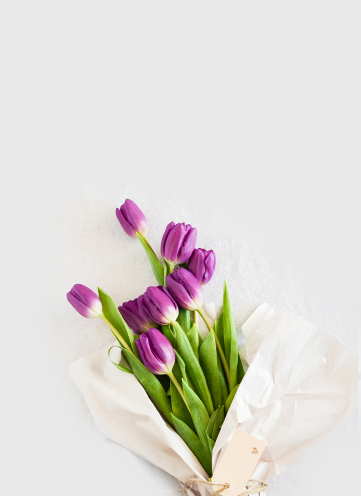
2. Tulips
Tulips continue to grow after being cut! To preserve their shape and maximize life:
- Keep them upright in a tall vase with cold water.
- Change water daily.
- Avoid displaying with daffodils--daffodils release sap that can clog tulip stems.
3. Lilies
Some lilies shed pollen heavily--carefully remove the stamens to prevent staining and prolong bloom freshness. Always use lukewarm water for most varieties.
4. Daffodils and Narcissus
These release a sap that can shorten the life of other flowers.
- Let daffodils sit in water by themselves for 24 hours before mixing with other types.
- Do not re-cut the stems before arranging with other flowers.
Advanced Flower Preservation Methods
If you'd like to keep a special bouquet as a memento, try one of these long-term preservation techniques:
1. Air Drying
- Hang bunches of flowers upside down in a dry, well-ventilated area out of direct sunlight.
- Flowers like lavender, statice, and roses are especially suited to air drying.
2. Pressing
- Press flowers between sheets of paper under a heavy book for 1-2 weeks.
- Great for delicate or flat blooms like pansies, violets, and daisies.
3. Silica Gel Drying
- Bury flowers in a container of silica gel and seal for several days.
- Best for preserving the natural shape and color of special flowers.
4. Glycerin Preservation
- Place stems in a solution of one part glycerin to two parts warm water.
- Over a couple of weeks, glycerin replaces the water in plant tissues, keeping them supple and colorful.
Frequently Asked Questions About Preserving Cut Flowers
1. Should I refrigerate cut flower arrangements?
Yes! If you want your bouquet to last substantially longer (such as before an event), store it in a refrigerator or very cool room overnight. Just don't let leaves or petals touch the fridge walls to avoid freeze damage.
2. Is it worth using aspirin or soda water in flower vases?
Aspirin's acidity and soda's sugar can help, but they aren't as effective as a genuine floral preservative. However, if you don't have flower food, they can provide a short-term boost.
3. Can I put cut flowers in tap water?
Absolutely. But where water is very hard or heavily chlorinated, distilled or filtered water is preferable for longer-lasting cut flowers.
4. How much should I prune the stems over time?
Every time you change the water (every two days), trim a small slice off each stem at a sharp angle. This prevents blockages and keeps water channels wide open.
Quick Reference: Top 10 Tips for Preserving Cut Flowers
- Buy or pick the freshest possible stems.
- Re-cut stems at a 45? angle before placing in water.
- Remove all submerged foliage from the stems.
- Arrange flowers in a clean vase with fresh water.
- Add commercial flower food--or a DIY substitute--to the water.
- Change water and clean the vase every two days.
- Keep the arrangement cool and out of direct sunlight.
- Avoid displaying flowers near ripening fruit or heat sources.
- Remove spent blooms promptly to prevent mold or bacteria.
- Re-cut stems regularly and top up with fresh water as needed.
Conclusion: Savoring the Beauty of Fresh Flowers for Longer
Preserving cut flowers for longer enjoyment is easily achievable with a little care, some clever tricks, and regular maintenance. By understanding the reasons behind wilting and bacteria growth, choosing the best stems, preparing flower arrangements correctly, and caring for them daily, you can significantly extend the lifespan of your blooms.
Remember, every flower variety is different--some, like carnations and orchids, last naturally long, while others are more delicate. Adopt these tips, try both commercial and homemade preservatives, and always handle fresh flowers gently.
With this knowledge, your home will be filled with beautiful, vibrant, and long-lasting cut flower arrangements that continue to spark joy and beauty for days on end.
Now, go ahead and treat yourself or a loved one to a vase of fresh flowers--knowing they'll brighten your days for as long as possible!