Tulip Mysteries Unlocked: 7 Surprising Insights You Need to Know
Posted on 29/06/2025
Tulip Mysteries Unlocked: 7 Surprising Insights You Need to Know
Tulips are among the most iconic and beloved flowers across the globe, boasting vibrant colors and a rich tapestry of history. Whether you're a gardening enthusiast, a lover of floral symbolism, or simply curious about these dazzling blooms, get ready to dive into the fascinating world of tulips. In this comprehensive article, we'll unlock seven surprising insights that go beyond conventional tulip trivia, delving deep into the mysteries of tulips and what makes them so remarkable. Prepare to see tulips in a whole new light!
1. The Ancient Roots: Tulip Origins and Global Journey
When you think of tulips, you probably picture the colorful fields of the Netherlands. However, the origin of tulips is far older and more exotic than you might expect. These beautiful blooms first appeared in the wild meadows of Central Asia. Specifically, the lands that are today part of Kazakhstan, Uzbekistan, and Iran marked the birthplace of the tulip.
- Tulips were first cultivated by the Ottoman Turks in the 10th century.
- They were considered a symbol of elite status and paradise in Ottoman culture.
- Via trade and diplomatic gifts, tulips traveled westward, eventually reaching Renaissance Europe in the 16th century.
From Istanbul's palaces to the Dutch Golden Age, tulips have inspired poets, sultans, and artists alike. Their cross-cultural journey is a testament to their universal appeal and mystery.
How Tulips Took Over the Netherlands
The Dutch fascination with tulips began in the 1590s, leading to the infamous "Tulip Mania"--the world's first recorded economic bubble. The story of tulip bulbs being auctioned for the price of a grand canal house demonstrates how these flowers became a symbol of both beauty and economic folly.
2. The Spectacular Variety: More Than Just Colors
Many people are surprised to learn about the sheer diversity of tulip varieties. There are currently over 3,000 registered tulip varieties worldwide, divided into numerous groups based on shape, bloom time, and color pattern.
Tulip Types You Never Knew Existed
- Parrot Tulips: Known for their feathery, fringed petals and bold, multicolored patterns, they stand out in any garden.
- Rembrandt Tulips: Famous for their striking streaked patterns, these tulips are a result of a mosaic virus that became highly desirable in the 17th century.
- Viridiflora Tulips: Unique for their green-tinged petals, they offer a captivating twist to traditional blooms.
- Double-Flowered Tulips: Often called "peony tulips," their lush, layered petals create a dramatic, romantic effect.
- Fringed Tulips: Petals appear to be crystalized, adding texture and intrigue.
Each variety serves different garden aesthetics, from the classic single late tulip to the delightful triumphs and Darwin hybrids. The world of tulip species is as mysterious and enchanting as any fairytale.
3. Hidden Meanings: The Secret Symbolism of Tulips
Tulip symbolism is as vibrant as their petals. For centuries, these flowers have carried powerful messages, making them a favorite in art and literature.
- Love and Passion: Red tulips represent deep love; perfect as a romantic gesture.
- Forgiveness: White tulips symbolize purity and forgiving hearts.
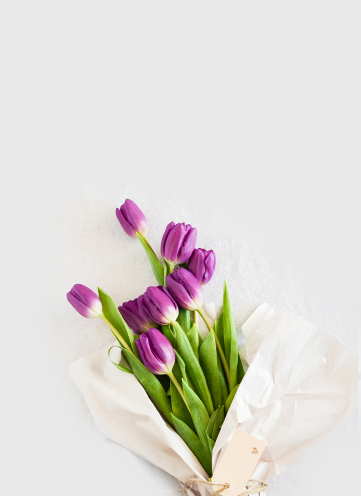
- Royalty and Wealth: Purple tulips indicate regal status, historically prized in royal courts.
- Cheerfulness: Yellow tulips evoke sunshine, joy, and positivity.
Interestingly, during the Ottoman Empire, "tulip season" represented joy, indulgence, and the fleeting nature of beauty. In modern times, tulips are gifted for birthdays, weddings, and apologies, bridging ancient beliefs and current traditions.
4. Tulip Mania: The Flower That Shook Financial Markets
Perhaps the most intriguing part of tulip history is the phenomenon known as Tulip Mania. This infamous period in the 1630s saw tulip bulb prices surge to unprecedented heights in the Netherlands before collapsing dramatically.
Why Did Tulip Mania Happen?
- Scarcity: Exotic tulip varieties like Semper Augustus were extremely rare.
- Status Symbol: Owning rare tulips became a mark of social prestige and wealthy speculation.
- Speculator Frenzy: People traded tulip bulb "futures," driving prices even higher--sometimes to the cost of an entire house!
When the market crashed, fortunes evaporated overnight. The legacy of Tulip Mania remains, serving as an early lesson about investment bubbles that is still referenced today by economists and historians.
5. Tulips and Science: Surprising Botanical Insights
Beyond their beauty and economic tales, tulips are also remarkable from a scientific perspective. Botanists continue to unlock tulip mysteries as they research their genetics, resilience, and adaptation mechanisms.
Genetic Marvels
- Mutation Magic: Naturally occurring mutations give rise to new colors and shapes, sparking ongoing tulip breeding programs.
- Mosaic Virus: The Breaking Virus causes the streaked patterns seen in Rembrandt tulips. What was once a plant disease became a revolutionary aesthetic sought after by collectors.
- Dormancy Dynamics: Tulip bulbs require a period of cold dormancy, which is why they bloom best in places with chilly winters.
Geneticists are also studying tulips to better understand plant immunity and hybridization, paving the way for hardier, more climate-resilient flower breeds for future gardens.
6. Rare Varieties and Modern-Day Tulip Secrets
Even today, the world of tulips is filled with hidden gems. Some rare tulip species flourish only in remote areas or specialized gardens, making them highly coveted.
- Tulipa sprengeri: Once considered extinct in the wild, now only found in select botanical gardens.
- Black Tulip: An elusive variety that fascinated 19th-century breeders--its intense, velvety petals remain a grail for collectors.
- Fosteriana Hybrids: Known for early flowering and vibrant red hues; a favorite among landscape designers.
- Wild Tulip Species: Including Tulipa clusiana and Tulipa tarda--small but striking, often naturalized in rock gardens and meadows.
Modern technology and conservation efforts are unlocking new tulip mysteries every year, from disease-resistant strains to exotic colors painstakingly developed by world-class breeders.
7. Growing and Caring for Tulips: Essential Tips Unveiled
Do you dream of stunning spring displays? Understanding how to grow and care for tulips is vital. Here are must-know tips from expert gardeners to help you unlock the full beauty of tulip bulbs.
Planting Strategies
- Plant tulip bulbs in the autumn, around 6-8 weeks before the first hard frost.
- Depth matters: Place bulbs 6-8 inches deep, with the pointy end up.
- Choose well-drained soil and a sunny spot. Soggy soil can cause bulbs to rot.
- Water after planting, but avoid overwatering during dormancy.
Tulip Aftercare
- Allow foliage to yellow and die back naturally to nourish the bulb for the next season.
- Consider lifting and storing bulbs in hot climates to protect them from rotting in summer soil.
- Every two years, refresh planted areas with new bulbs for vibrant displays.
Tulip Mysteries: Frequently Asked Questions
Are there truly black tulips?
While many so-called 'black' tulips exist, none are perfectly black. Most, like the 'Queen of Night' or 'Black Parrot', display a deep, dark purple or maroon hue--a testament to nature's trickery!
How long do tulip flowers last?
Tulip blooms typically last one to two weeks, depending on the variety and weather. Cooler temperatures help prolong their spectacular display.
Can tulips grow indoors?
Absolutely! Tulips can be "forced" indoors by pre-chilling the bulbs, then potting them in well-drained soil. Place them in bright, indirect light for best results.
Conclusion: The Lasting Allure of Tulips
From mysterious origins in Central Asia to economic upheavals in Dutch history, the alluring world of tulips offers endless intrigue for gardeners and historians alike.
These vibrant marvels are far more than a pretty face. Their symbolism, strange science, rare varieties, and global journey make tulips a lifelong passion for millions. Whether you're admiring them in your backyard, studying their genetics, or tracking down the rarest bulbs, the secrets of tulips are always just waiting to be unlocked.
Ready to start your own journey into the world of tulips? Plant a few bulbs, and let these timeless flowers reveal their mysteries in your own garden.